← The story library40 stories · Wildlife comebacks

Wildlife comebacks

The long road back from the brink.

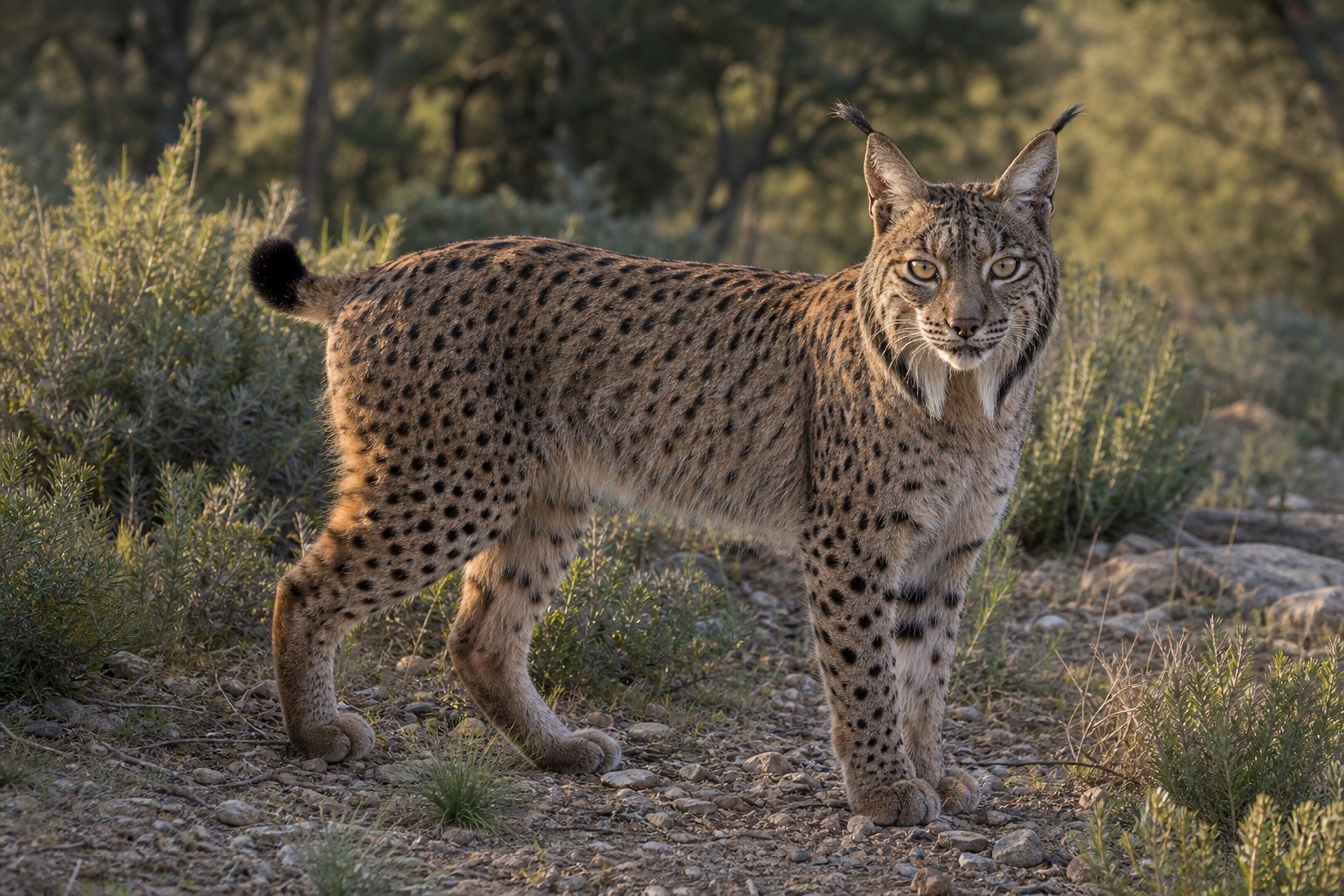
Illustrative photo: Iberian lynx wild Spain Mediterranean scrubland · via anidex.picaspica.net
Wildlife comebacks

First Iberian lynx litter born at Cabañeros National Park

On 30 April 2026, Spain's Ministry for Ecological Transition (MITECO) confirmed that the first litter of Iberian lynx (Lynx pardinus) kittens had been born inside Cabañeros National Park — the first time the species has bred there since the park was created in 1995. The litter consists of two kittens, born to the reintroduced pair Uvita and U2. Uvita (born 2023 in Sierra Morena) was captured on 24 September 2024, quarantined at the El Chaparrillo wildlife centre, and released into Cabañeros on…

Read the story 5 photographs
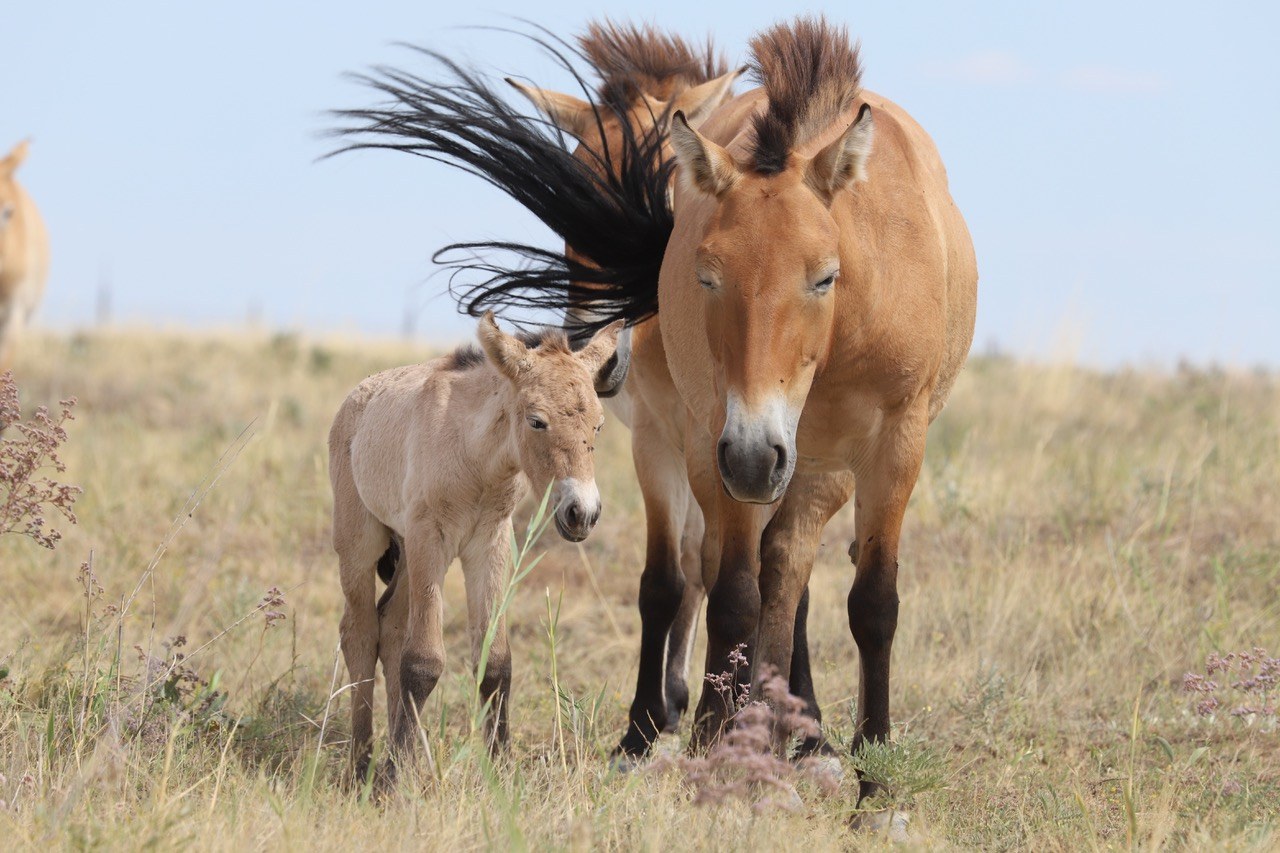
Illustrative photo: Przewalski's horse wild steppe herd · via smeshnie-foto.ru “Заповедник лошадей | Smeshnie-Foto.ru”
Wildlife comebacks

First Przewalski's horse foals born on Kazakhstan's steppe in 200 years

On 22 August 2026, a seven year old mare named Tessa (brought from Tierpark Berlin in 2024) gave birth to a male foal at the Alibi Reintroduction Centre inside Altyn Dala State Nature Reserve, Kazakhstan — the first Przewalski's horse born in central Kazakhstan in more than 200 years. On 31 August 2026, a second foal was born to a mare named Umbra. The births were announced by Kazakhstan's Ministry of Ecology and Natural Resources and reported via Qazinform on 23 August 2026. The species…

Read the story 5 photographs
Illustrative photo: saiga antelope herd steppe · via rove.me “Best Time To Visit Kazakhstan 2026 - Weather & 3 Things to Do”
Wildlife comebacks

Saiga antelope: from 21,000 to 4 million, CITES applauds the greatest comeback in modern conservation

Kazakhstan's saiga antelope population has grown from a historic low of 21,000 individuals in 2003 to about 3.9–4.1 million in 2025 — one of the largest wildlife recoveries ever recorded — after a hunting ban, stepped up anti poaching patrols and sustained monitoring. In December 2023 the IUCN reclassified the species from Critically Endangered to Near Threatened. On 29 November 2025, at CITES CoP20 in Samarkand (184 Parties), 94% of Parties voted to lift the zero export quota on saiga horns…

Read the story 5 photographs
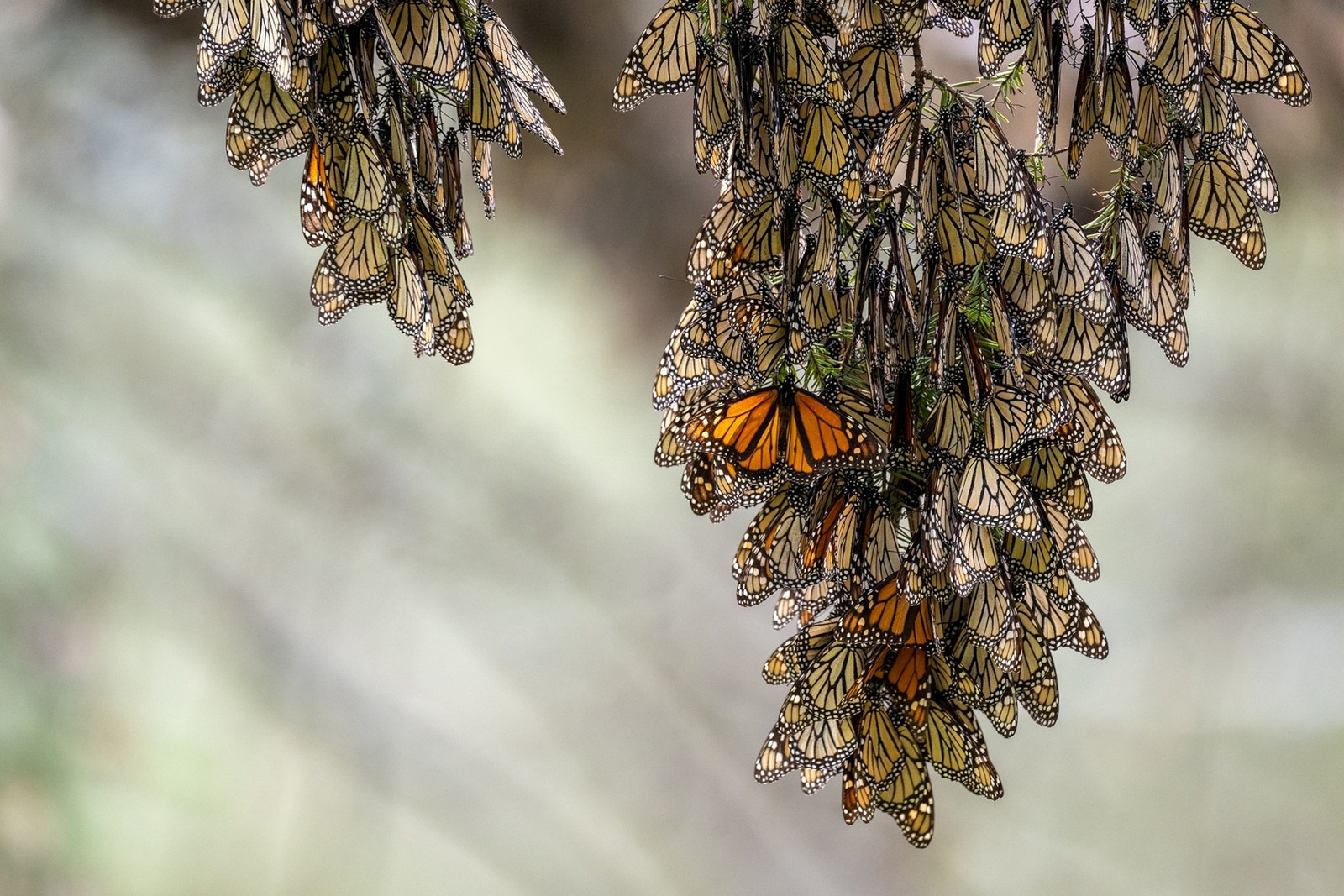
Illustrative photo: monarch butterfly migration Mexico overwintering · via www.nationalgeographic.com “Migratory monarch numbers take a dive—but they’ll bounce back”
Wildlife comebacks

Monarch butterflies surge 64% in Mexico's overwintering colonies — second year of gains

The annual WWF Mexico and CONANP (Mexico's National Commission of Protected Natural Areas) survey, published March 2026, found eastern monarch butterflies occupied 2.93 hectares of oyamel fir forest in Mexico's Monarch Butterfly Biosphere Reserve during the 2025–2026 winter — up 64% from 1.79 hectares the previous winter, the second consecutive year of increase and slightly above the decade average of 2.81 hectares. Each densely occupied hectare can hold an estimated 20–30 million butterflies.…

Read the story 3 photographs
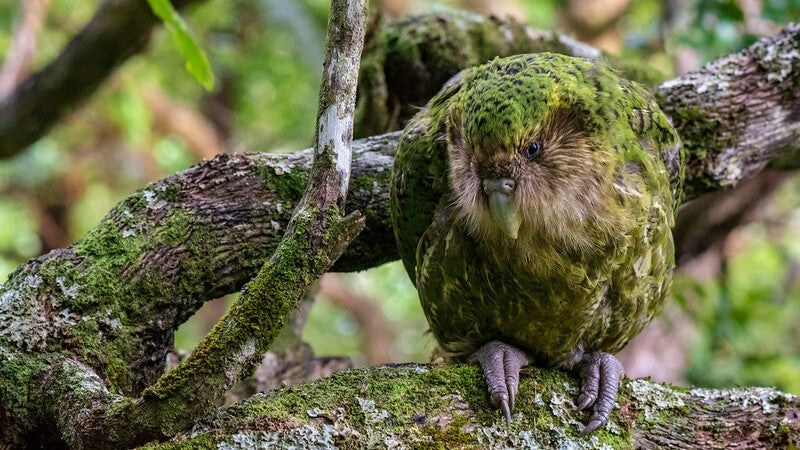
Illustrative photo: kakapo parrot New Zealand · via www.rewild.org “Kakapo | rewild.org | Re:wild”
Wildlife comebacks

Kākāpō: record 90 chicks push the flightless parrot past 300 for the first time in 75 years

On 1 September 2026, New Zealand's Department of Conservation added 90 chicks from the 2026 breeding season to the official kākāpō population, taking it to 325 — the highest level since the modern recovery programme began, and the first time the population is thought to have exceeded 300 in about 75 years. The 2026 season was the biggest on record, following a four year breeding gap triggered by a bumper rimu fruit crop. The Kākāpō Recovery Programme began in 1995 with just 51 birds (only 20…

Read the story 4 photographs
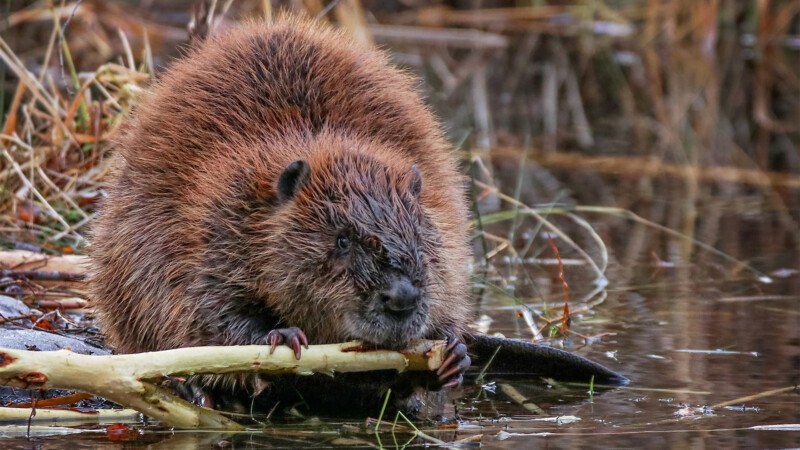
Illustrative photo: Eurasian beaver wild Scotland · via treesforlife.org.uk “Scotland’s beavers – we need better options - Trees for Life”
Wildlife comebacks

First wild beaver kits in Glen Affric for 400 years — Scotland's beavers are breeding

At least two beaver kits — the first wild born in the Scottish Highlands area for four centuries — were filmed at Loch Beinn a' Mheadhoin in Glen Affric, roughly 15 miles from Loch Ness, emerging from their lodge in July 2026. Experts estimate the kits were born in May or June 2026. They are the offspring of beavers reintroduced by the joint Trees for Life + Forestry and Land Scotland (FLS) project: a family of five and a pair released in October 2025, plus four more released in February 2026.…

Read the story 4 photographs
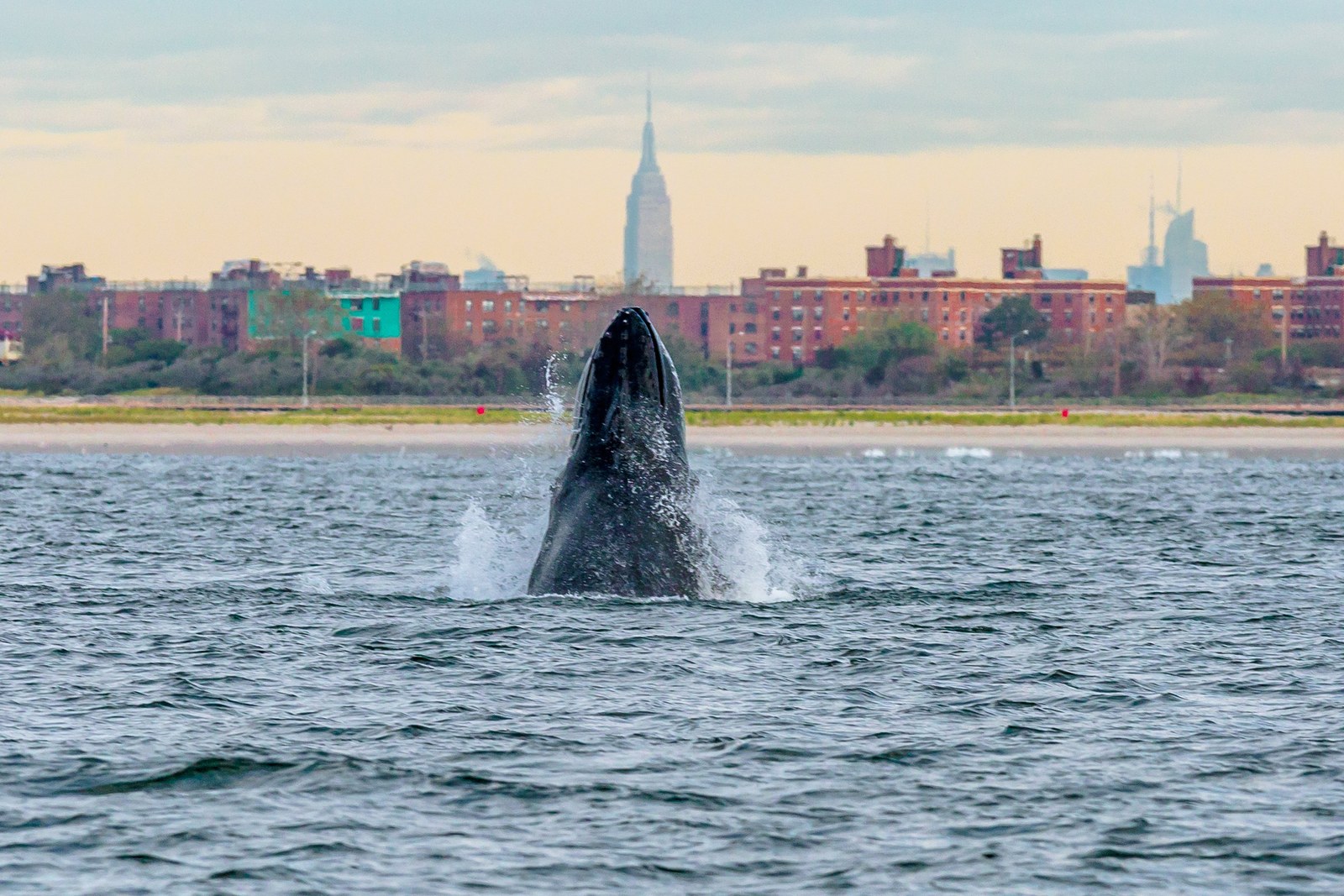
Illustrative photo: humpback whale breaching New York City
Wildlife comebacks

Humpback whales are back in New York waters — 500th whale catalogued, calves feeding off Long Island

On 28 July 2026, the Wildlife Conservation Society's New York Bight Program reported that a single June 29, 2026 research expedition 25–35 miles south of Long Island documented an extraordinary gathering: humpback whales bubble feeding, fin whales lunge feeding, minke whales, common dolphins, and humpback mothers with breaching calves. Separately, around late July 2026 the nonprofit Gotham Whale catalogued the 500th individual humpback whale ("NYC0500", a ~1 year old juvenile) in New York City…

Read the story 5 photographs
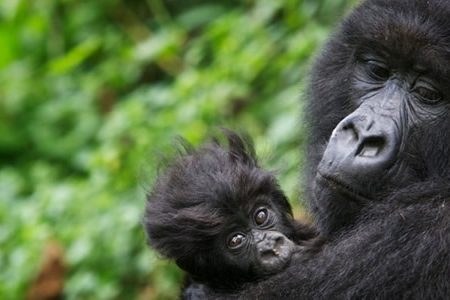
Illustrative photo: mountain gorilla family Virunga forest · via www.selfdriveeastafrica.com “Self Drive East Africa: 4x4 Car Rental Uganda,Kenya,Tanzania”
Wildlife comebacks

Mountain gorillas: 13 births in Virunga in 2026, rare twins, population still climbing toward World Gorilla Day

Since the beginning of 2026, Virunga National Park (DRC) has recorded 13 mountain gorilla births in its monitored families, including a rare set of twins born on 3 January 2026 to the Bageni family — a milestone the park's field teams announced publicly. Separately, Uganda Wildlife Authority (UWA) confirmed in September 2026 coverage that the latest mountain gorilla census (2025/26) has been conducted and the population has continued to increase, driven by registered births, though the…

Read the story 5 photographs
Wildlife comebacks

Manas rhinos cross 50 — a comeback from local extinction

On 22 September 2026, reporting in India noted that the greater one horned rhinoceros population in Manas National Park (Assam) has crossed 50 animals, after the species was locally wiped out in the 1990s and early 2000s by poaching and conflict. Manas was the first project area of Indian Rhino Vision 2020, which translocated 18 wild rhinos from Kaziranga and Pobitora between 2008 and 2012; the population has since grown through wild births and the park's rehabilitated rhino calves.

Read the story
Wildlife comebacks

Vancouver Island western bluebirds post record 2026 nesting season

In September 2026, the Cowichan Valley's Bring Back the Bluebird Project reported that the 2026 nesting season was its most successful yet. The western bluebird — declared locally extinct on Vancouver Island in the 1990s — reached a valley total of 156 adults and juveniles, up from roughly 20 adults and 90 juveniles in 2025. Across the Salish Sea, combined efforts with the San Juan Preservation Trust brought the regional total to 286 birds. Volunteers translocate donor birds from Washington's…

Read the story
Wildlife comebacks

Florida shatters sea-turtle nesting records in 2026

Florida's 2026 sea turtle nesting season produced multiple all time records. Juno Beach logged more than 13,800 loggerhead nests — hundreds more than any previous year. In Boca Raton, Gumbo Limbo Nature Center documented 1,077 loggerhead nests, breaking a 36 year record set in 1990 (1,075), and 43 leatherback nests, topping the 2012 record of 33. Volusia County passed its all time season record on 22 July with 1,523 nests (previous record 1,516 in 2023), with loggerheads, greens, leatherbacks…

Read the story
Wildlife comebacks

Oregon Zoo produces record 15 California condor chicks in 2026

In 2026, California condors at the Oregon Zoo's Jonsson Center for Wildlife Conservation produced 15 healthy chicks — the most ever in the zoo's 23 year recovery effort. Ten chicks are being raised at the Jonsson Center and five hatched under adoptive condor parents at the Peregrine Fund's World Center for Birds of Prey in Boise, Idaho; the Jonsson Center is also foster rearing two chicks hatched from San Diego Zoo Wildlife Alliance eggs. Twelve sets of condor parents are tending chicks.…

Read the story
Wildlife comebacks

First condor egg in a century on California's North Coast

In early February 2026, a pair of California condors in the Yurok Tribe's Northern California Condor Restoration Program (NCCRP) began tending what researchers believe is the region's first wild condor egg in more than a century. The pair — A0 ("Ney gem' 'Ne chween kah," she carries our prayers) and A1 ("Hlow Hoo let," at last I fly), both nearly seven years old and flying free since 2022 — were detected through GPS tracking data and behavioral changes consistent with biparental incubation in a…

Read the story
Wildlife comebacks

Nepal's tiger census reaches 429 — a record count

On 29 July 2026, WWF Nepal reported the results of Nepal's national tiger census: an estimated 429 tigers, up from 355 in the 2022 census, across five protected areas (Chitwan, Bardia, Parsa, Banke and Shuklaphanta). The census used camera trap grids across the Terai Arc Landscape.

Read the story
Wildlife comebacks

Four snow-leopard cubs born at Melbourne Zoo — Australia's only litter

In January 2026, snow leopard Miska gave birth to four cubs at Melbourne Zoo — two females and two males, named Maya, Kira, Lumi and Sabu — the only snow leopard cubs in Australia. Father Kang Ju and mother Miska (both ~9–10 years old) were raising their second litter. The cubs emerged from the birth den for the first time in autumn 2026, received their first vet checks and vaccinations, and made their public debut to strong crowds. Zoos Victoria participates in the global Species Survival Plan…

Read the story
Wildlife comebacks

Kenya's rhinos reach 2,282 — up nearly 9% in a year

On 10 September 2026, the Kenya Wildlife Service (KWS) announced via national media that Kenya's rhino population rose from 2,102 in 2024 to 2,282 in 2025 — growth of nearly 9% in a single year, adding 180 rhinos. KWS credited strengthened monitoring and anti poaching work. Kenya holds the third largest rhino population in the world after South Africa and Namibia; separately, Kenya's black rhino population rebounded past 1,000 (1,005 eastern black rhinos per KWS/WRTI census data) from fewer…

Read the story
Wildlife comebacks

Assam holds 3,260 one-horned rhinos — zero poaching in 2025

Reporting on 15 September 2026 put Assam's latest one horned rhinoceros population at 3,260 — about 80% of the global population of the species — with zero poaching incidents recorded in the state in 2025. The figures were highlighted on 22 September 2026 (World Rhino Day) by Assam's chief minister and state officials. In the 1960s, Assam's rhino population had collapsed to roughly 600.

Read the story
Wildlife comebacks

Louisiana whooping cranes fledge a record 10 chicks

On 22 July 2026, the Louisiana Department of Wildlife and Fisheries (LDWF) announced that Louisiana's reintroduced whooping crane population fledged a record 10 chicks during the 2026 nesting season — the most since the reintroduction began. Louisiana's population now stands at 84 birds, of which 32 hatched in the wild. Whooping cranes were absent from Louisiana from 1950 until the reintroduction began in 2011; fewer than 21 wild birds survived globally in 1941.

Read the story
Wildlife comebacks

Black-footed ferrets bounce back at the Smithsonian with two 2026 litters

The Smithsonian's National Zoo and Conservation Biology Institute announced that two litters of black footed ferret kits were born in 2026 at its Front Royal, Virginia campus: a litter of six kits to first time mother Mizuno on 11 May, followed by a second litter on 21 May. Each kit received an exam and vaccination; video showed the mothers responding to calls and moving kits between nesting boxes.

Read the story
Wildlife comebacks

Giant panda reintroduction: nine of eleven released pandas survive

In June 2026, Chinese researchers reported that of 11 captive bred giant pandas released into the wild, nine survived — an 82% survival rate. Seven were released in the Xiaoxiangling Mountains and two in the Minshan Mountains; the releases involved training in wildlife conservation skills and adaptation to wild environments. The work was led by the China Conservation and Research Centre for the Giant Panda with the Sichuan Forestry and Grassland Administration. The wild giant panda population…

Read the story
Wildlife comebacks

Crested ibises return to Honshu for the first time in 56 years

On 31 May 2026, eight crested ibises (Nipponia nippon, toki) were released in Hakui, Ishikawa Prefecture — the species' first return to Japan's main island of Honshu since 1970, 56 years earlier. The birds came from the Sado Japanese Crested Ibis Conservation Center, the island population founded from Chinese donor birds after Japan's wild population was declared extinct in 2003. In the wild, the toki was extinct in Japan; the global wild population descends from seven Chinese birds…

Read the story
Wildlife comebacks

Around 100 gharial hatchlings emerge at Palighat — a Chambal success

In May 2026, forest officials at the National Chambal Sanctuary near Palighat, Rajasthan reported approximately 100 gharial hatchlings from four nests — a sign of steady conservation success in the species' core breeding habitat. The gharial (Gavialis gangeticus), a Critically Endangered river crocodilian, once fell below 250 mature individuals in the wild; the Chambal river system now holds the bulk of the global breeding population.

Read the story
Wildlife comebacks

Scimitar-horned oryx wild herd passes 600 with 500+ wild-born calves

In 2026 the reintroduced scimitar horned oryx population in Chad's Ouadi Rimé–Ouadi Achim Reserve passed 600 animals — a species extinct in the wild since the late 1980s. More than 500 calves have now been born in the wild since reintroductions began in 2016. The programme, led by the Smithsonian's National Zoo and Conservation Biology Institute with the government of Chad and Sahara Conservation, translocated founder animals from captive herds in Texas and Abu Dhabi.

Read the story
Wildlife comebacks

North Atlantic right whales: 23 calves, the best season since 2009

The 2026 North Atlantic right whale calving season produced 23 calves — the highest number of births since 2009 for this Critically Endangered species of fewer than 400 animals. Twenty of the 23 mothers were experienced breeders returning with calves. NOAA Fisheries and the New England Aquarium reported the season as a sign of cautious optimism.

Read the story
Wildlife comebacks

Record 21 Mediterranean monk-seal pups in the Northern Sporades

On 26 February 2026, reporting citing the Greek Natural Environment and Climate Change Agency (OFYPEKA) noted that 21 Mediterranean monk seal pups were identified in the Northern Sporades National Marine Park during monitoring — a record for the park. The Mediterranean monk seal, one of the world's most endangered marine mammals, has its largest population in Greece.

Read the story
Wildlife comebacks

Cotton-top tamarin twins born at Twycross Zoo

On 26 August 2026, Twycross Zoo announced the birth of cotton top tamarin twins — twins being the species' usual litter size. The zoo framed the births as part of its vital conservation work for the Critically Endangered Colombian primate, whose wild population is estimated at roughly 2,000.

Read the story
Wildlife comebacks

Kemp's ridley sea turtles set a Texas nesting record in 2026

By mid June 2026, Texas beaches had logged roughly 600 Kemp's ridley nests — already surpassing the previous annual record of 449 — with more than 3,000 hatchlings released by the Texas A&M Sea Turtle Patrol. The Kemp's ridley, the world's smallest and most endangered sea turtle, nests almost entirely in the western Gulf of Mexico.

Read the story
Wildlife comebacks

European bison return to Spain's Iberian Highlands

On 21 January 2026, nine European bison arrived in the Iberian Highlands of Spain — the species' first ever release in the area, part of Rewilding Spain's programme to restore natural grazing to the highlands. Rewilding Europe announced the arrival as a milestone in scaling up the bison's return across the continent.

Read the story
Wildlife comebacks

Five Mexican-wolf pups cross-fostered into wild dens in 2026

In 2026, Mexican wolf recovery achieved another milestone with five captive born pups cross fostered into wild dens — placed with surrogate wild mothers to boost the genetic diversity and numbers of the wild population. Cross fostering is a key tool of the Mexican Wolf Recovery Program, run with the Arizona Game and Fish Department and US Fish and Wildlife Service.

Read the story
Wildlife comebacks

Three wild white-tailed eagle chicks hatch in England

In 2026, three white tailed eagle chicks hatched in the wild in England — part of the species' return to England after more than 240 years. Forestry England reported the hatchings from the Isle of Wight reintroduction project, which began releasing birds in 2019. White tailed eagles, with a 2.5 metre wingspan, were extinct as a breeding bird in England by the late 18th century.

Read the story
Wildlife comebacks

Great Lakes piping plovers: 99 pairs and a return to Wisconsin Point

The Great Lakes piping plover population reached 99 breeding pairs in 2026, per the Friends of Sleeping Bear Dunes — close to the recovery plan's goal, up from a low of 12 pairs in 1990. Separately, piping plovers nested at Wisconsin Point, Wisconsin for the first time in nearly 50 years, following Great Lakes Restoration Initiative habitat restoration.

Read the story
Wildlife comebacks

Saudi Arabia's Arabian oryx pass 3,000 under wild or lightly managed conditions

Per 2026 data from Saudi Arabia's National Center for Wildlife (NCW), approximately 3,064 Arabian oryx live under wild or lightly managed conditions across 11 sites in the Kingdom, with an increasing trend — up from the reintroduction era. The Arabian oryx was extinct in the wild by 1972 and downlisted from Endangered to Vulnerable in 2011 after reintroductions; Saudi Arabia's populations are now the species' stronghold. The figures were published via PANORAMA's Arabian oryx solution page,…

Read the story
Wildlife comebacks

More than 165 orange-bellied parrots begin the 2026 migration

On 11 June 2026, the Tasmanian government reported that more than 165 orange bellied parrots began their annual migration from the breeding grounds at Melaleuca — a record for the programme. The 2025/26 breeding season produced 46 fledglings, including 16 naturally occurring nests; 51 captive bred juveniles were released to bolster the wild flock.

Read the story
Wildlife comebacks

First recorded Javan-rhino birth of 2026 caught on camera trap

On 29 January 2026, a camera trap in Indonesia's Ujung Kulon National Park recorded a Javan rhino mother and calf — described by Indonesia's environment ministry (via state media) as the first recorded birth of 2026 for the species. The Javan rhino is one of the world's rarest large mammals, confined to a single population in Ujung Kulon. Exact global counts were not asserted by the sources reviewed.

Read the story
Wildlife comebacks

Two bearded vultures released in Bavaria — the 12th release since 2021

On 24 June 2026, two young bearded vultures — Alosa (female, from France) and Zierli (male, from Belgium) — were released in the Klausbach Valley, Berchtesgaden National Park, Bavaria. The release brought the total to 12 bearded vultures released in Bavaria since the reintroduction began in 2021, coordinated by LBV (BirdLife Bavaria) with the Vulture Conservation Foundation. The bearded vulture was extinct in the Alps for roughly a century before reintroduction.

Read the story
Wildlife comebacks

California releases 3,000+ mountain yellow-legged frogs in 2026

In 2026, conservation programmes released more than 3,000 endangered mountain yellow legged frogs and tadpoles into California's wild waters, including a June release of 650 by the Los Angeles Zoo. The multi agency recovery effort (including the San Diego Zoo Wildlife Alliance) has released more than 10,000 frogs cumulatively, in what Popular Science called one of the largest amphibian reintroductions ever attempted. The mountain yellow legged frog was nearly wiped out by chytrid fungus,…

Read the story
Wildlife comebacks

Fifteen pygmy hogs return to Manas — home after 30 years

On 7 June 2026, 15 captive bred pygmy hogs — the world's smallest and rarest wild pig — were released at Kuribeel in Manas National Park, returning the species to Manas after a 30 year absence. Since releases began in 2020, 78 pygmy hogs have been returned to Manas; 194 have been released across Assam. The programme is run by Durrell Wildlife Conservation Trust with the Assam Forest Department and the IUCN Pygmy Hog Conservation Programme.

Read the story
Wildlife comebacks

Northern bald ibis posts a record 2026 breeding season

On 11 June 2026, the Waldrappteam announced a record breeding season for the northern bald ibis in Europe: 29 breeding pairs in Austria and Germany (a record), 21 more pairs in Italy and Switzerland, plus 31 hand raised juveniles from the season's releases. In spring 2025 the team had already passed 300 wild birds; the project's goal is a self sustaining migratory population of over 350 birds.

Read the story
Wildlife comebacks

Hainan gibbon rises to 44 across seven groups

Per official Chinese reporting published in 2026, the Hainan gibbon — the world's rarest primate — reached 44 individuals across seven groups, up from the low of 7–9 animals in the 1970s. The National Forestry and Grassland Administration describes it as the only gibbon population in the world that has continued to grow. A 2026 peer reviewed paper (MDPI Animals) corroborated the population trajectory.

Read the story